This month in Form Follows Fashion, we return to the root of design in focusing on basic elements that come together to become anything but basic. We will take a trek through this world to find the framework of form, discover the exciting power in shape, and explore the way exaggerated fashions translate into uncanny interiors. Many of these designs are not often seen in standard architecture and interiors today; as such, the use of such rare forms make the space feel expensive, luxurious, and supernatural in the best way.

Fundamental Form
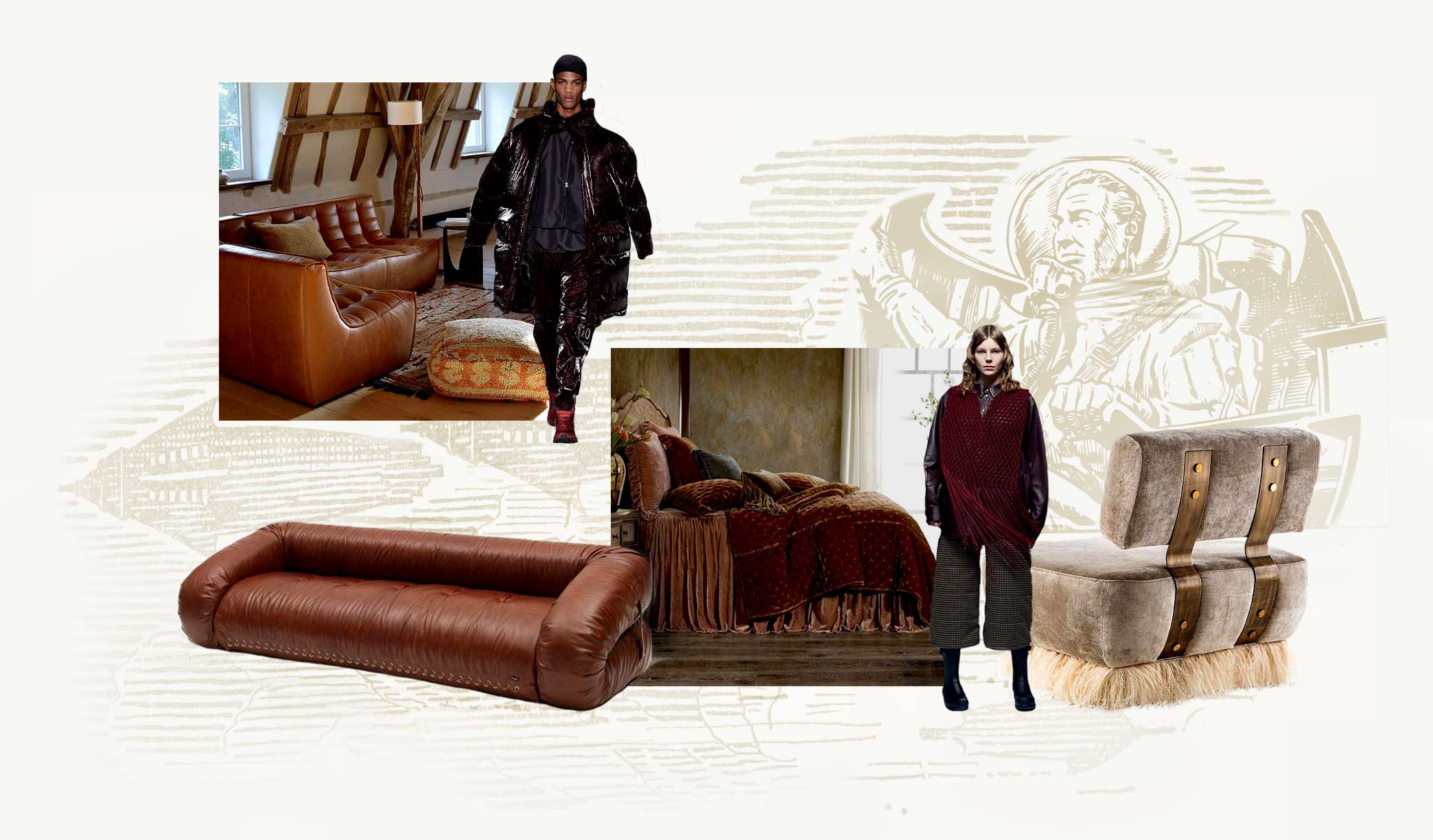
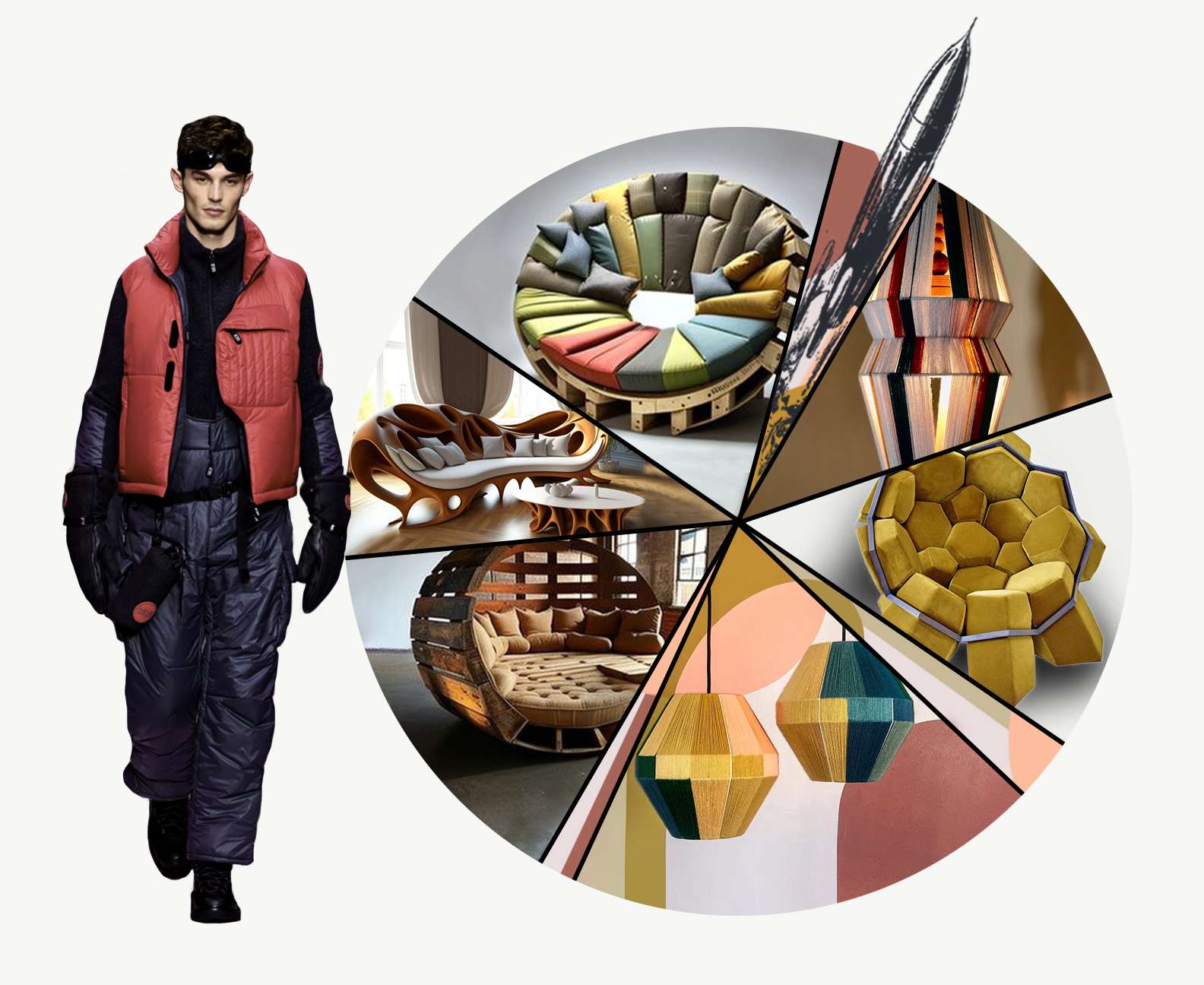
Unique forms and shapes create movement, allowing even the simplest colors and minimal designs to be exciting. For example, the rounded shape and curved lines of the puffer coat and tied pants below add dynamism. Likewise, the seating and lighting in the same image demonstrate an intense beauty, instantly catching the eye before leading it around the room in an interior tour.

Dramatic Texture
When three-dimensional lines and shapes are repeated, you get an energizing texture. The soft, puffy squares and diamonds on the textiles and furniture below echo the quilted coat beside them. These textures draw you in, begging to be felt, and create a progressive journey of the senses.

Persuasive Color
When color and form work together, the design can evolve and transform into a variety of aesthetics. These bold three-dimensional shapes become the focus with the muted colors used in the interiors below. Though the shades are carefully curated, they refrain from overpowering the extraordinary textures and energetic designs.
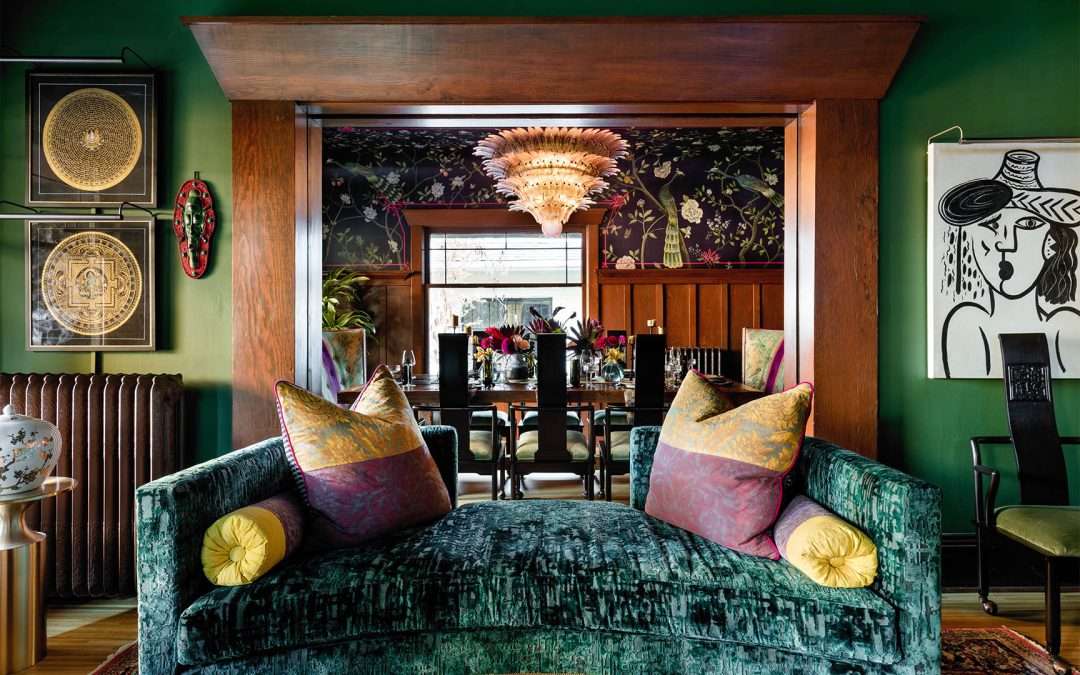
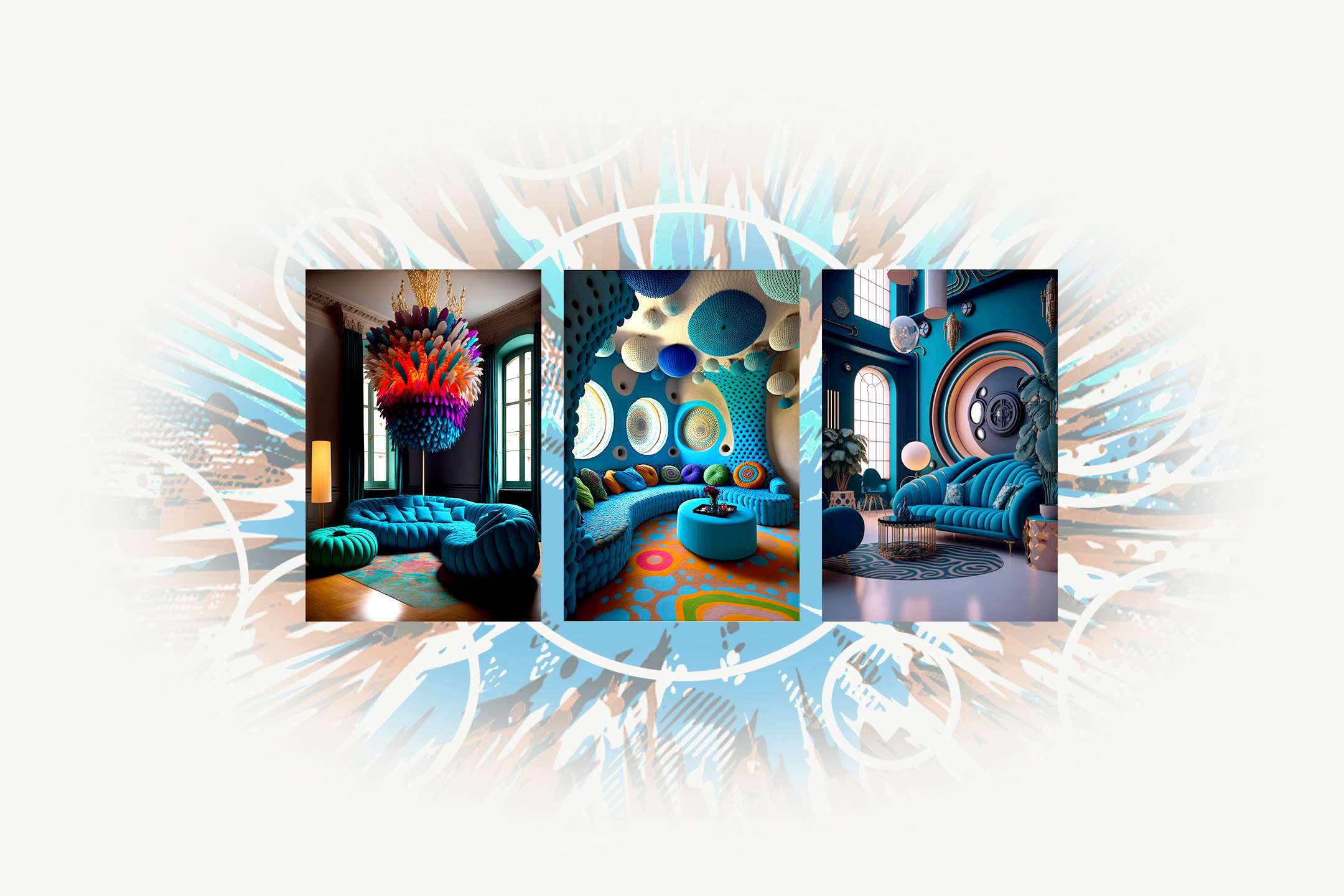
However, when one incorporates brighter, more saturated shades, the effect is entirely different. The vibrant colors and unusual shapes play off each other for an energetic space that seems to hold you captive as you explore the strange interior.
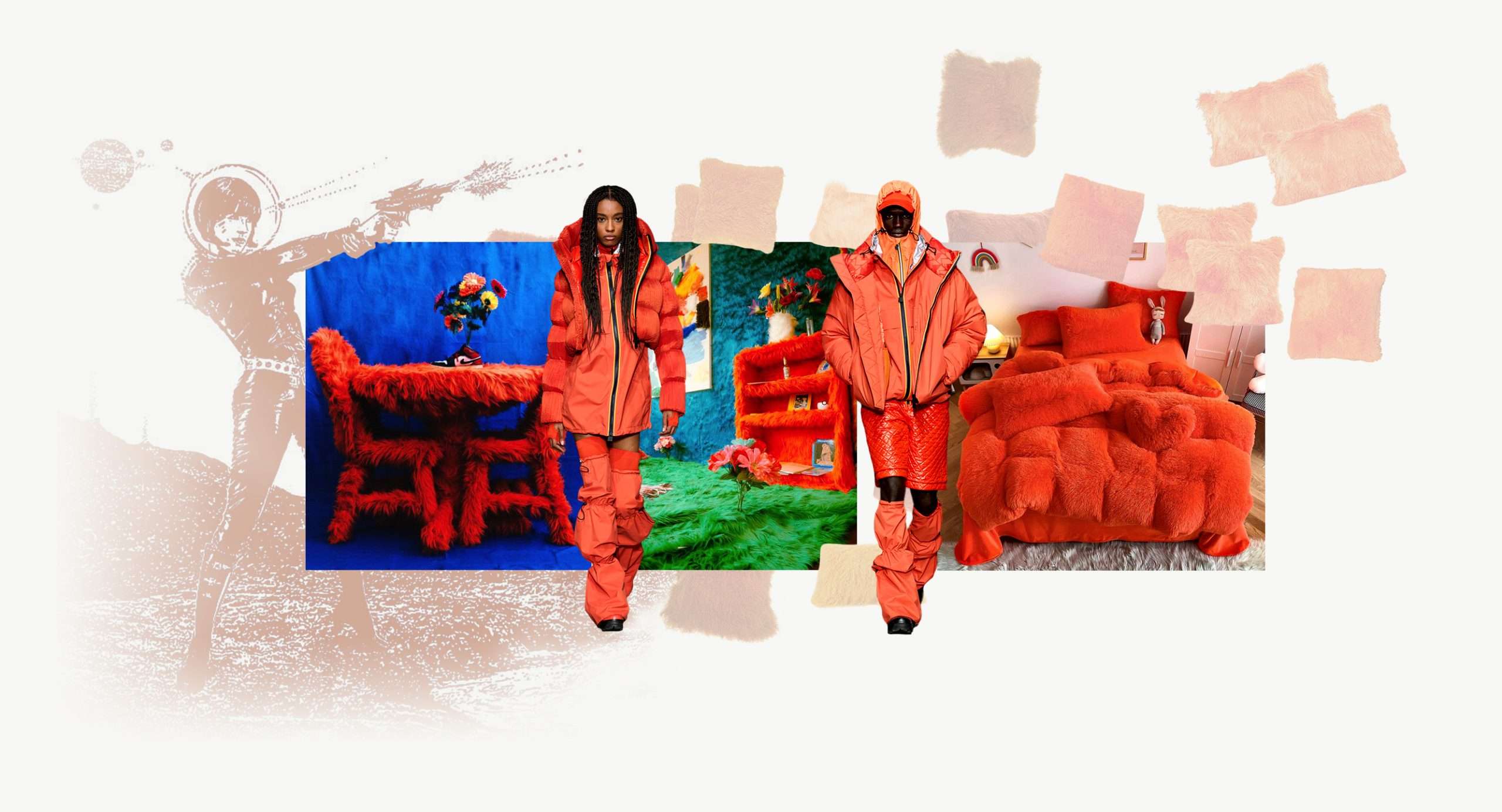
Though color influences the effect of form, form also influences the effect of color. Take the monochromatic fashion ensembles below, for instance. Despite their undeniably eye-catching color, it is the texture that keeps your attention. Similarly, the brightly colored interior pieces take their boldness to the next level with the use of unexpected texture.
No matter the color scheme, even simple primary colors can create an out-of-this-world vibe with uncommon design. This multi-legged glass table is a prime example: practical and fairly straightforward, yet unpredictable.

Principal Pattern
Pattern is an important aspect of both fashion and interior design. And, what is a pattern if not a repeating form? Lines and shapes come together in repetition and motifs, ranging from simple circles and squares to complex organic and artistic designs. One of the best ways to draw attention to these forms and patterns is with color contrast, like the textiles below.

The use of alternating colors within each square of the fashion ensemble brings a greater emphasis to the clean lines and geometric pattern. However, the same principle applies to organic shapes and irregular patterns. The furniture pieces below demonstrate how bright varying color creates an undeniable focal point.

Conception & Construction
Interiors can use extreme and dominating forms and shapes to create an otherworldly space. The green rooms below embrace curiously exceptional lines, going so far as to incorporate it into the very bones of the architecture with flowing borders and arched ceilings.
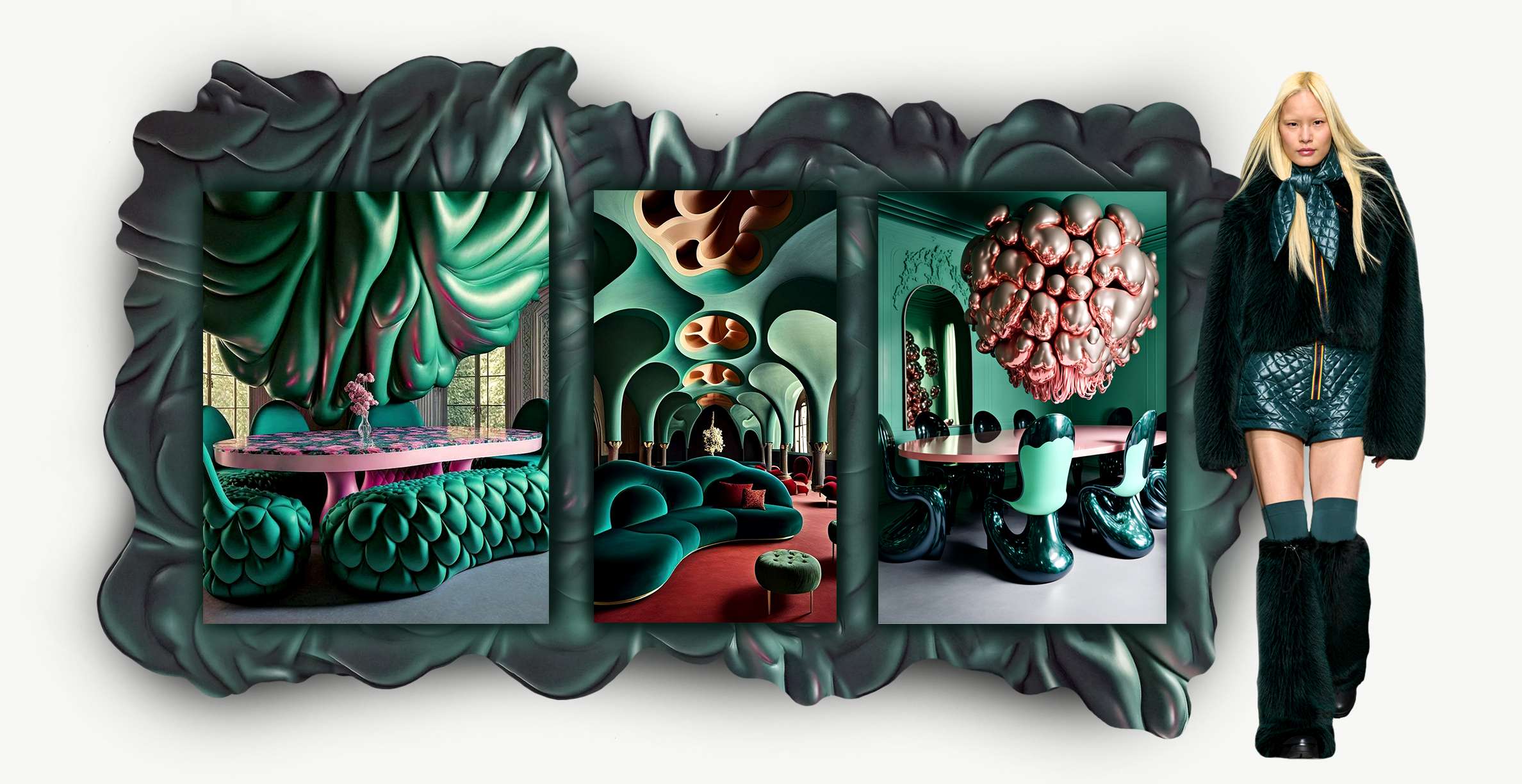
But it needn’t be so intense: the use of specially formed furniture or decor produces a similar effect. Amusing shapes, dramatic colors, and clean lines can act as an eccentric accent in minimal spaces.

Curved corners, perforated ceilings, arched walls, unusually shaped furniture. Perhaps many of these images are extreme examples, and—like fashion styles—they certainly do not speak to everyone.

Nonetheless, these dynamic interiors are excellent examples and models of essential design principles.